Research Projects
Computational Arts Masters — Work in Progress
Click here to be directed to the project page
Project Description
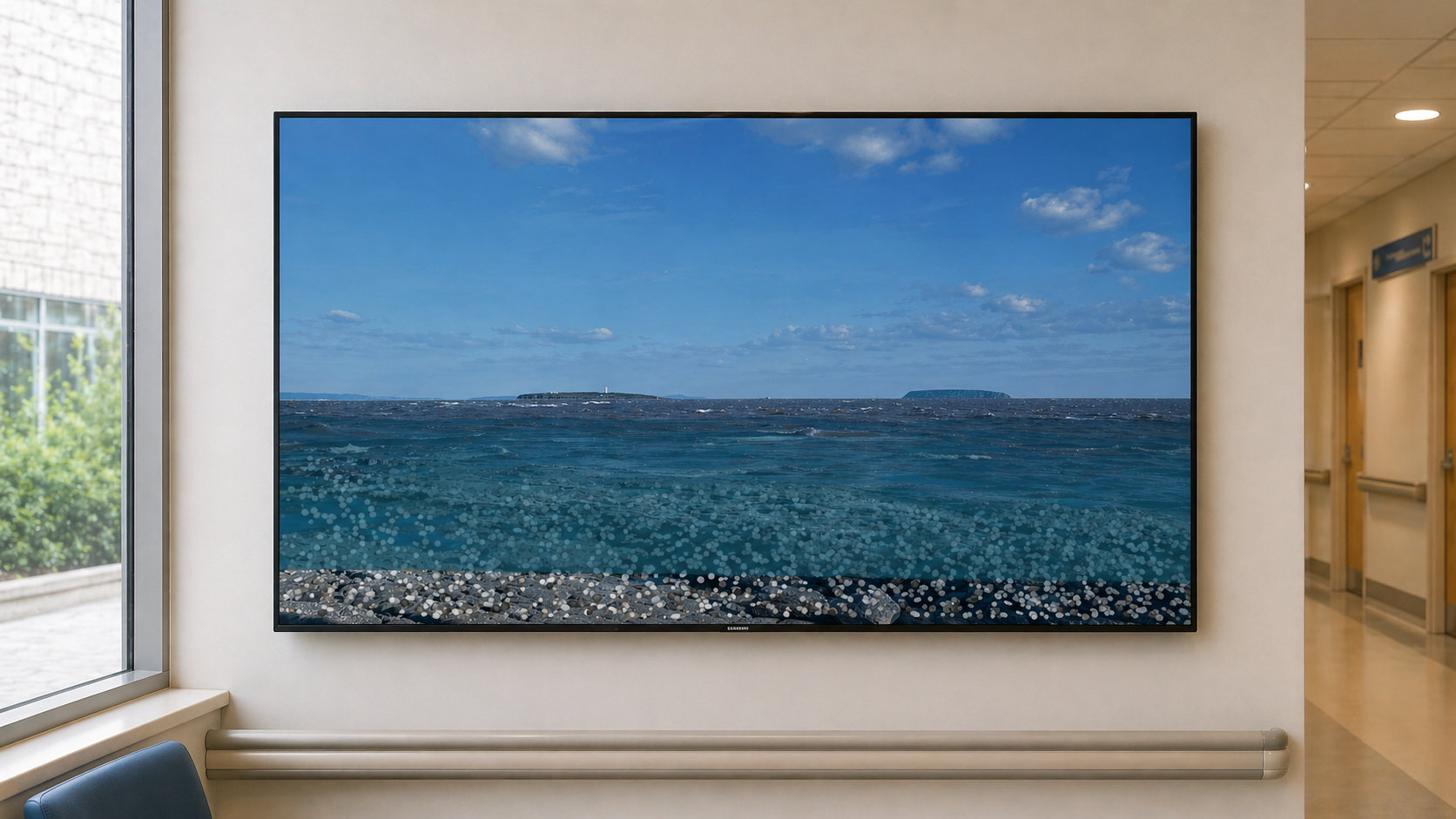
How can we create dialogue between two infrastructures: the built (hospital) and the natural (landscape)? How can we use real-time tide and weather data to drive an art installation that promotes psychological grounding, focusing on presence and wellbeing?
Coastal Synchrony sits at the intersection of data-driven art practice, empirical aesthetics, and arts in health — bringing together live environmental data, psychology research, and computational visual practice to produce a continuously evolving mixed media coastal landscape for hospital environments in South Wales.
My Role
Student, self-initiated project. Concept development, research design, and computational art practice.
Status
Currently in progress as part of Computational Arts Masters study.
Project Description
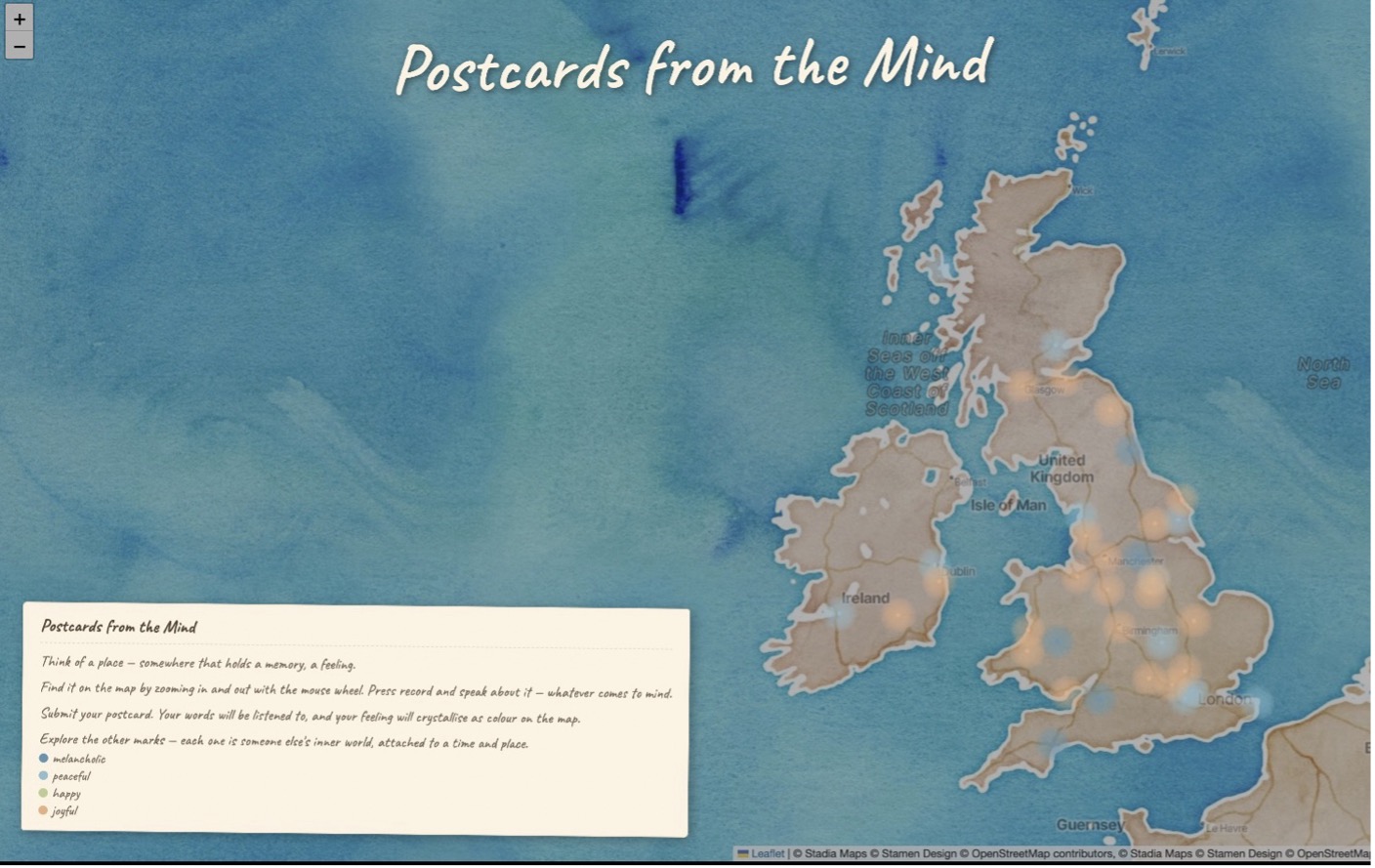
Postcards from the Mind is a collective map of emotional geography, inviting people to pin the places that live in memory, speak about why they hold meaning, and watch their feeling crystallise as colour on a shared map.
Each mark on the map represents someone else's inner world, attached to a time and place — building a living, participatory landscape of human emotion and memory.
My Role
Student, self-initiated project. Concept development, interactive map design, and computational art practice.
Status
Currently in progress as part of Computational Arts Masters study.
Project Video
Project Description
Researchers from different academic disciplines (Creative Writing, Education, Sociology) worked with secondary school pupils in South East London on an interdisciplinary research project.
The project's aim was for students to suggest ideas that could improve their local school park using novel creative research methodologies such as film, creative writing, and surveys developed by the students and researchers.
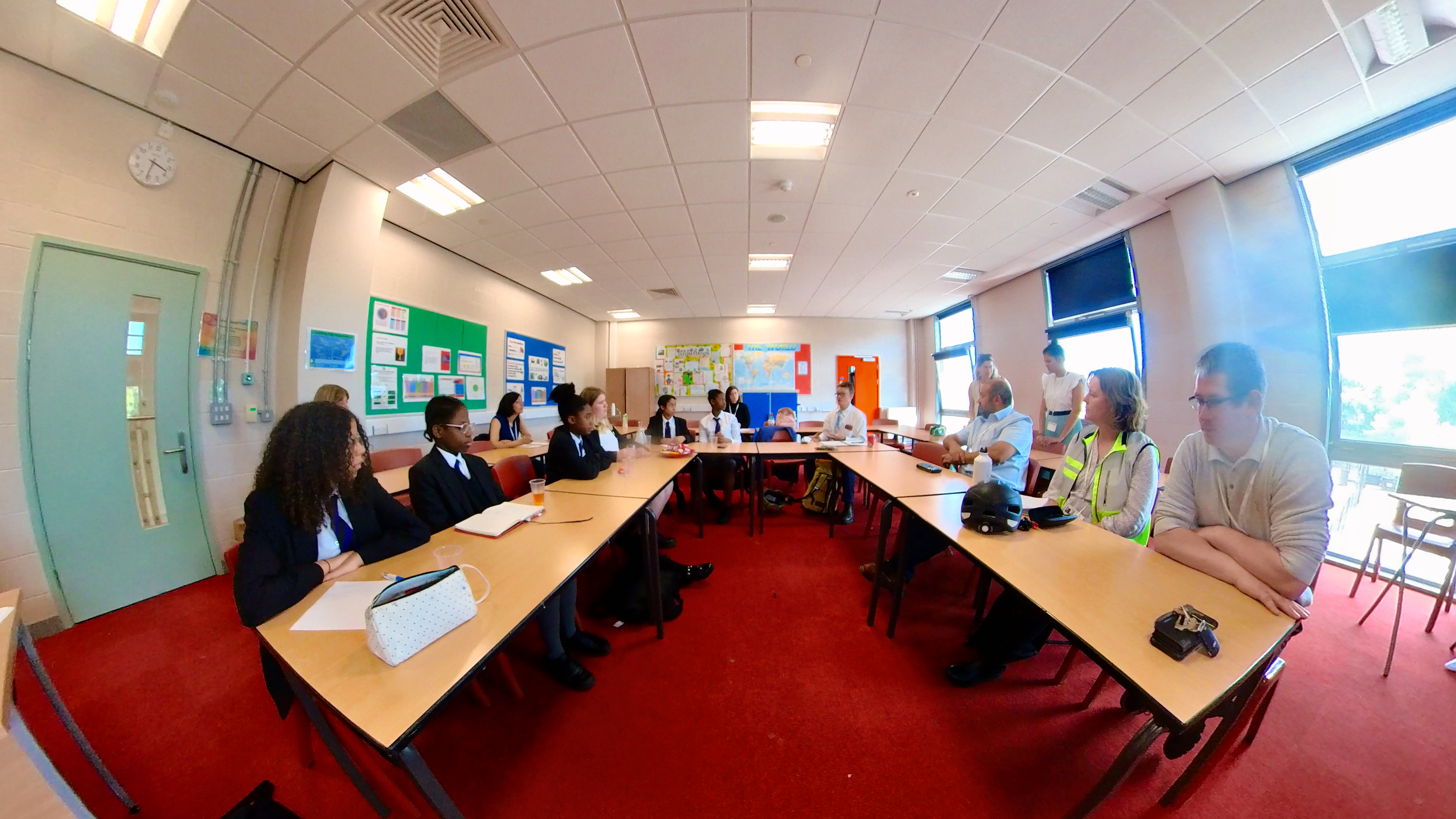
Students presented their research as a short film to the local council at an advocacy day and also presented their work at a local festival in Lewisham. The council were extremely impressed with the research, which resulted in park improvements and the initiation of gardening and litter groups.
A toolkit was developed so that other schools could carry out similar research. Learn more here.
My Role
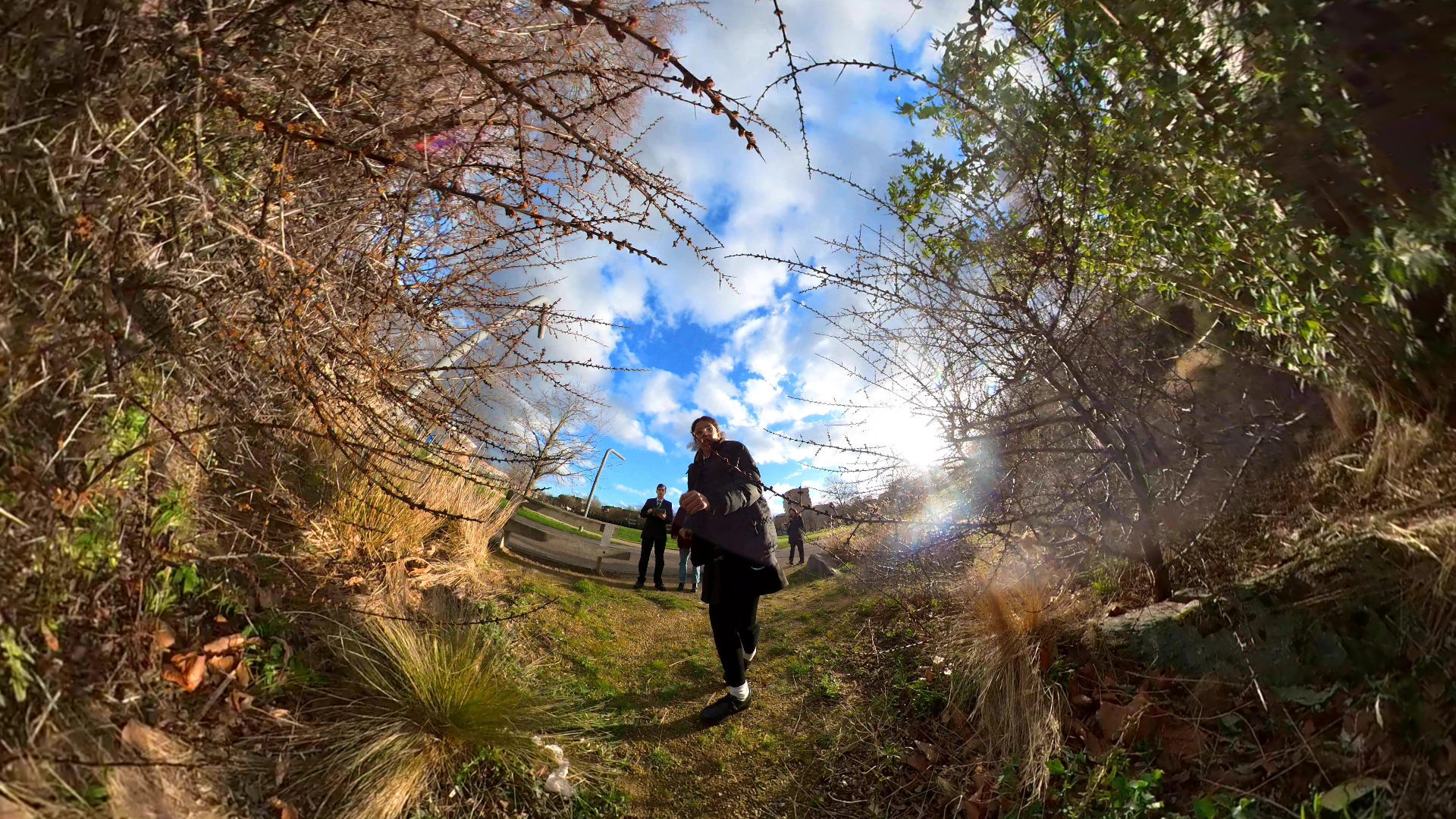
I led the 360 filming group, where students created narratives about litter in the park. We explored different animal perspectives, student experiences, and creative film techniques.
I taught the students how to use a 360 camera, edit footage, and co-develop surveys to measure park experiences.
Funding
Funded by Goldsmiths Strategic Funding and SHAPE in partnership with the British Academy.
Publication: Learn more here.
Gallery
"Through the Trees"
"Boardroom"
Co-curated film shown to council
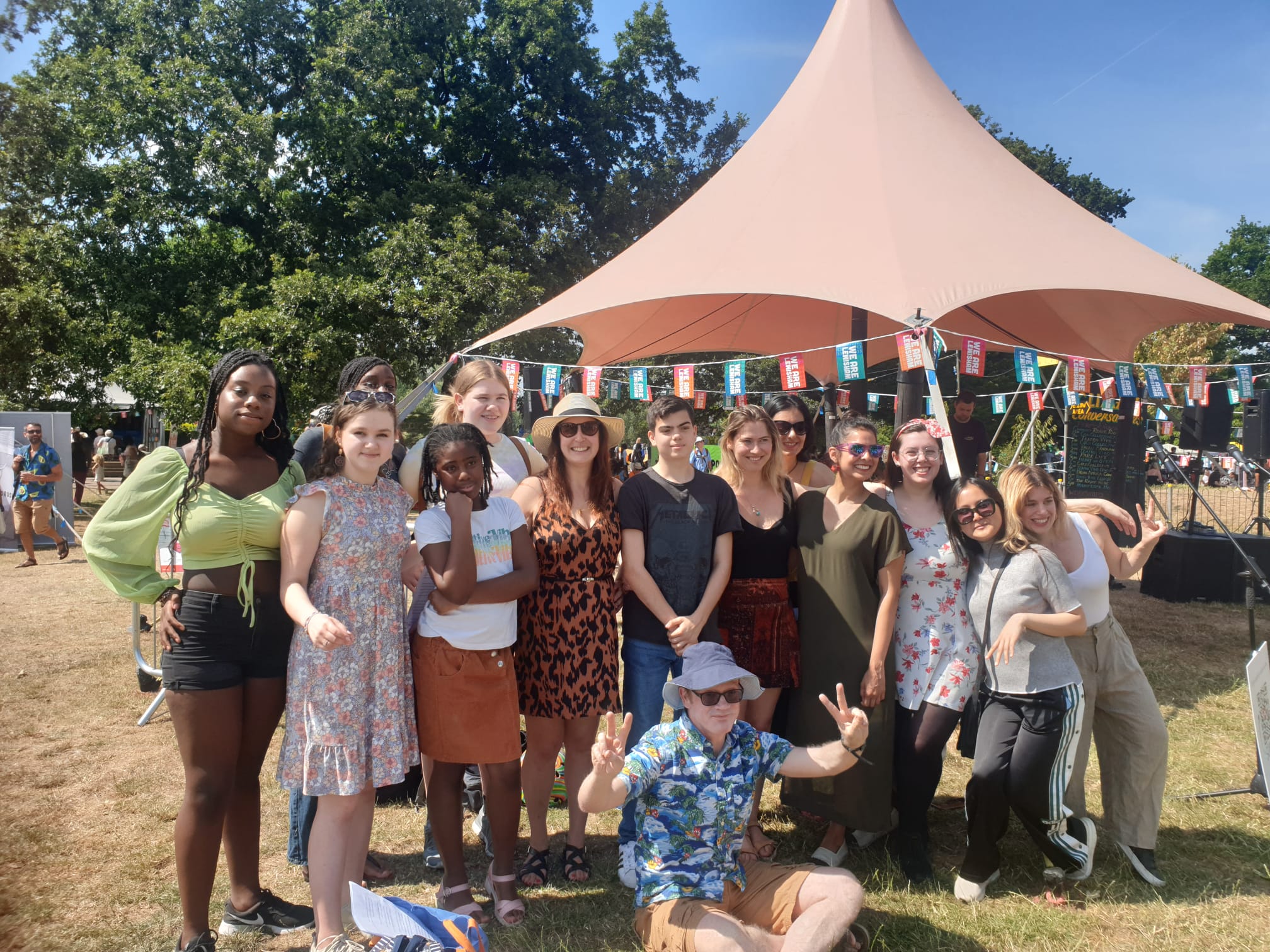
Presenting Parklife at Lewisham People's Day

Project Description
This project was part of my Master’s study, using 360° and 3D cameras to capture natural and urban environments. Originally designed for VR headsets, participants instead viewed these during COVID-19 remotely on their computer screens.The goal was to examine how different digital environments affect mood and restoration.
We found blue and green spaces significantly enhanced positive mood and restoration compared to urban ones.
We found people’s personal preferences for certain environments meant they recieved increased restoration if the video they watched aligned with their preference.
This addressed a gap in literature, which often focused only on green and urban spaces, with little on blue spaces and individual differences.
My Role
I designed the study, developed assessments, carried out analysis, and wrote reports. Filmed and created 360/3D content to be viewed on a headset. This project inspired my continued work with immersive video and film.
Funding
Funded by i2 media in conjunction with TinMan. I was initially contracted as a freelance researcher and later joined the team as an employee.
Publication: One paper under review; another in pre-submission.
Gallery
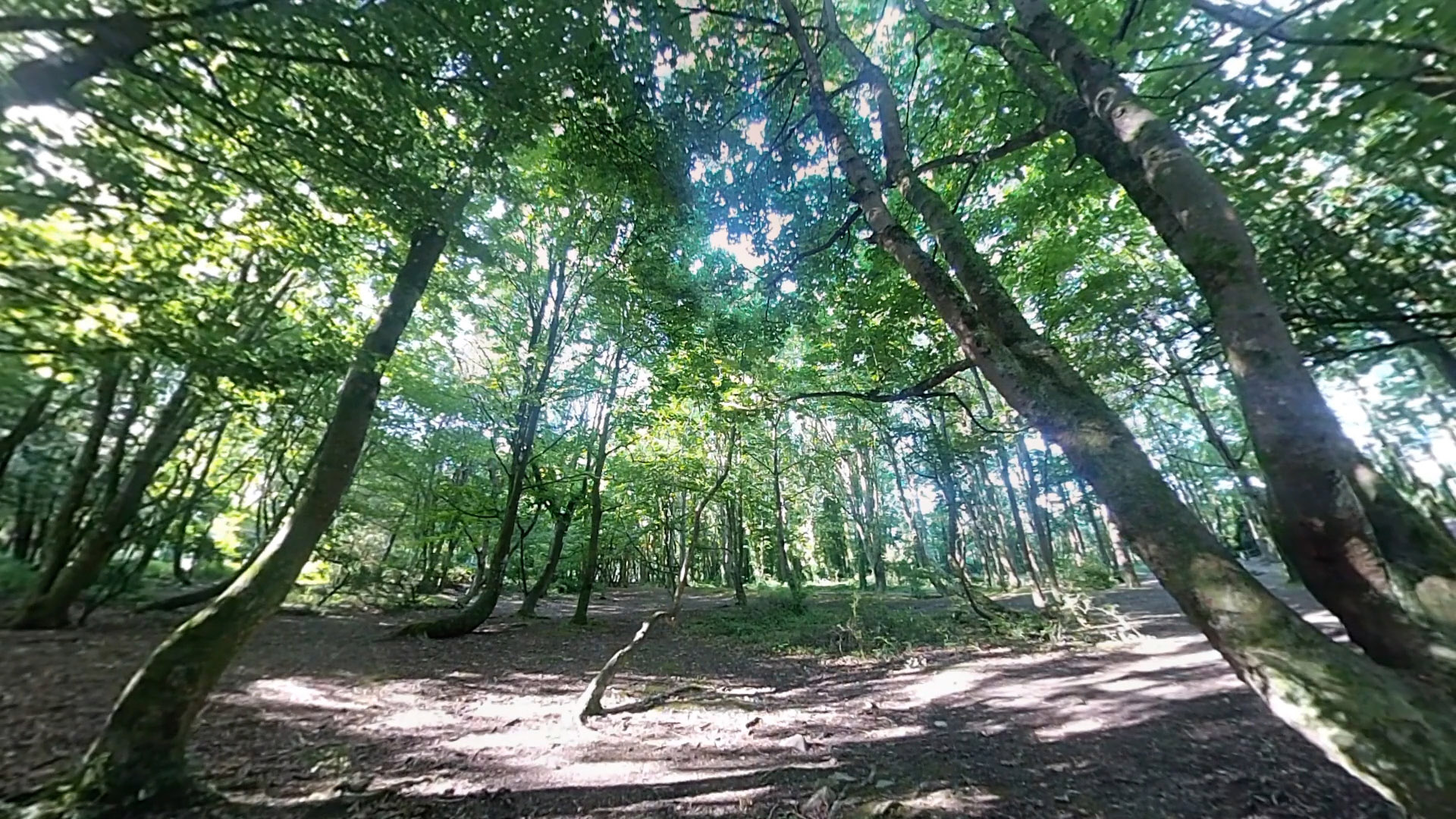
Green space used as stimuli
Blue space used as stimuli
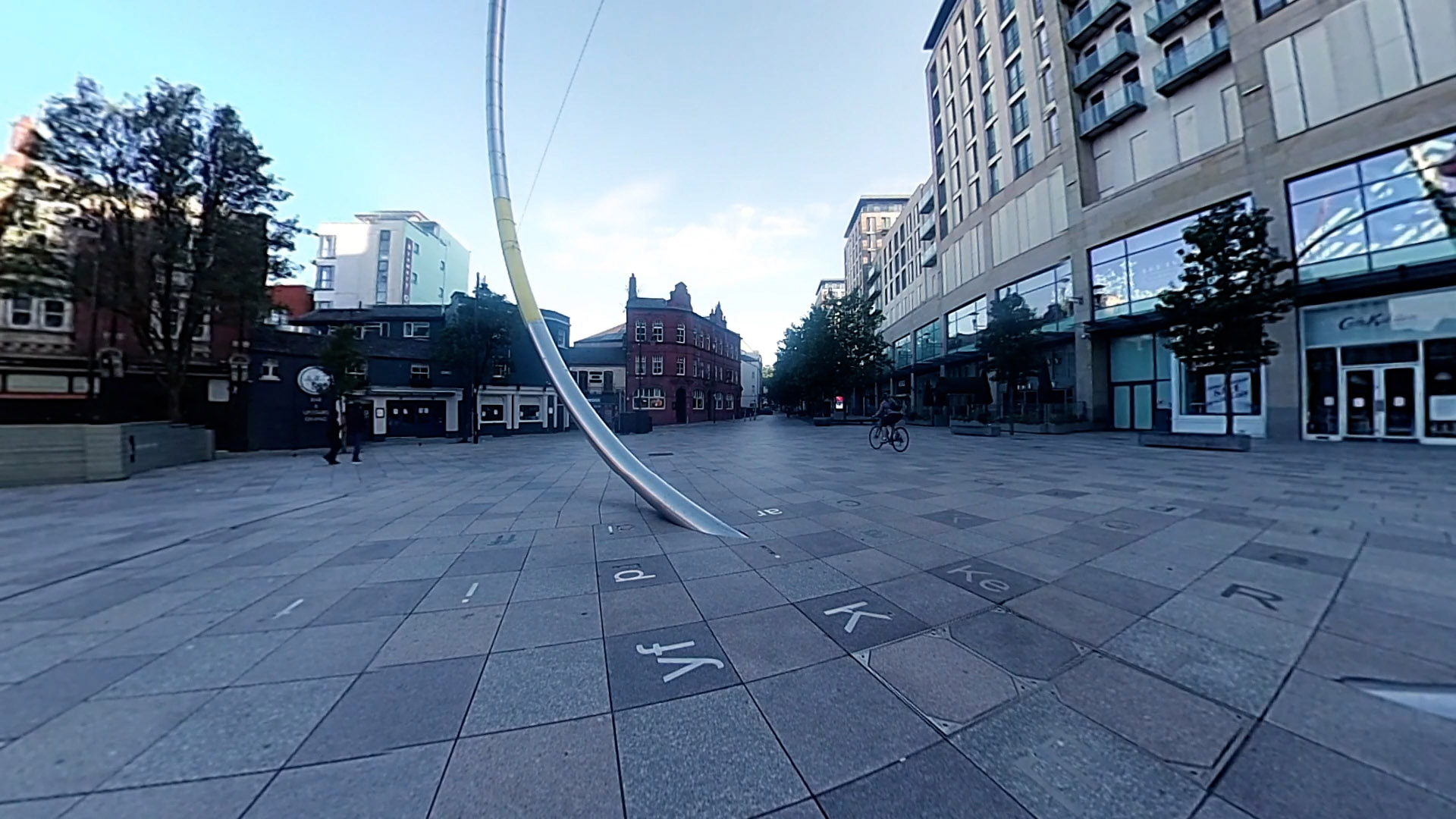
Urban space used as stimuli